Your brakes are the most important safety system on your vehicle, and they usually give you plenty of warning before something goes wrong. Knowing what to listen and feel for helps you catch small problems early.
1. Squealing or squeaking
A high-pitched squeal when you brake is one of the most common signs. Many brake pads have a small metal wear indicator that makes this noise on purpose when the pad material is getting thin. Some squeaks are harmless (for example, after rain or on the first stop of a cold morning), but a squeal that keeps coming back is worth checking.
2. Grinding
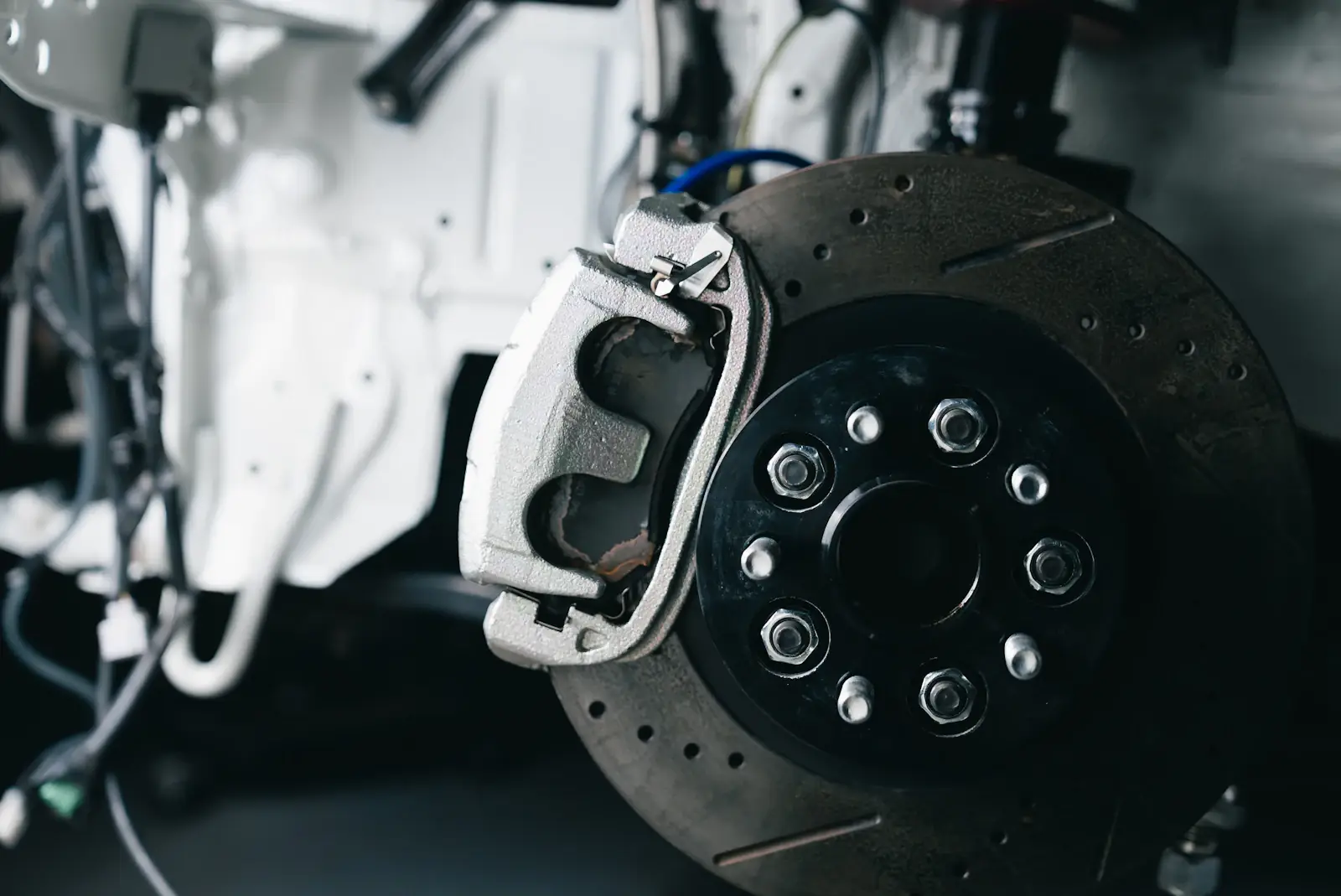
A harsh grinding or growling sound can mean the pads are worn down far enough for metal to touch metal. This can quickly damage the rotors and reduce braking performance, so have it inspected as soon as possible.
3. A soft, spongy or sinking pedal
If the brake pedal feels soft, travels further than usual, or slowly sinks towards the floor while you hold it, there may be air or moisture in the brake fluid, a fluid leak, or another hydraulic problem. Treat this as urgent.
4. Vibration or pulsing
A pulsing pedal or a shaking steering wheel when you brake often points to uneven rotor surfaces. It can also be caused by other worn parts, which is why an inspection is the best way to find the real cause.
5. Pulling to one side
If the vehicle pulls left or right only when you brake, one side may be braking harder than the other. A sticking caliper, uneven pad wear or a fluid problem can all cause this.
6. A brake warning light
A brake or ABS light on the dashboard means the vehicle has detected a problem, such as low brake fluid or a fault in the anti-lock system. Check your owner's manual for what the light means on your vehicle.
7. A burning smell or longer stopping distances
A sharp, hot smell after normal driving can mean a brake is dragging. And if you notice that the vehicle simply takes longer to stop than it used to, do not wait for a noise to appear.
When to stop driving
If the pedal goes to the floor, the brakes feel very weak, or a red brake warning light stays on, it is safest not to drive the vehicle and to have it checked first.
How often should brakes be checked?
There is no single answer. Pad and rotor life depends on the vehicle, the parts fitted and how and where you drive. Your owner's manual lists the recommended inspection schedule for your vehicle, and it is a good idea to have the brakes looked at whenever you notice any of the signs above.
This article is general information. Every vehicle is different, so check your owner's manual and have a qualified technician inspect any problem you notice.