Most vehicle problems start small. Routine maintenance gives you regular chances to spot wear before it turns into a breakdown or a much bigger repair.
What routine maintenance usually includes
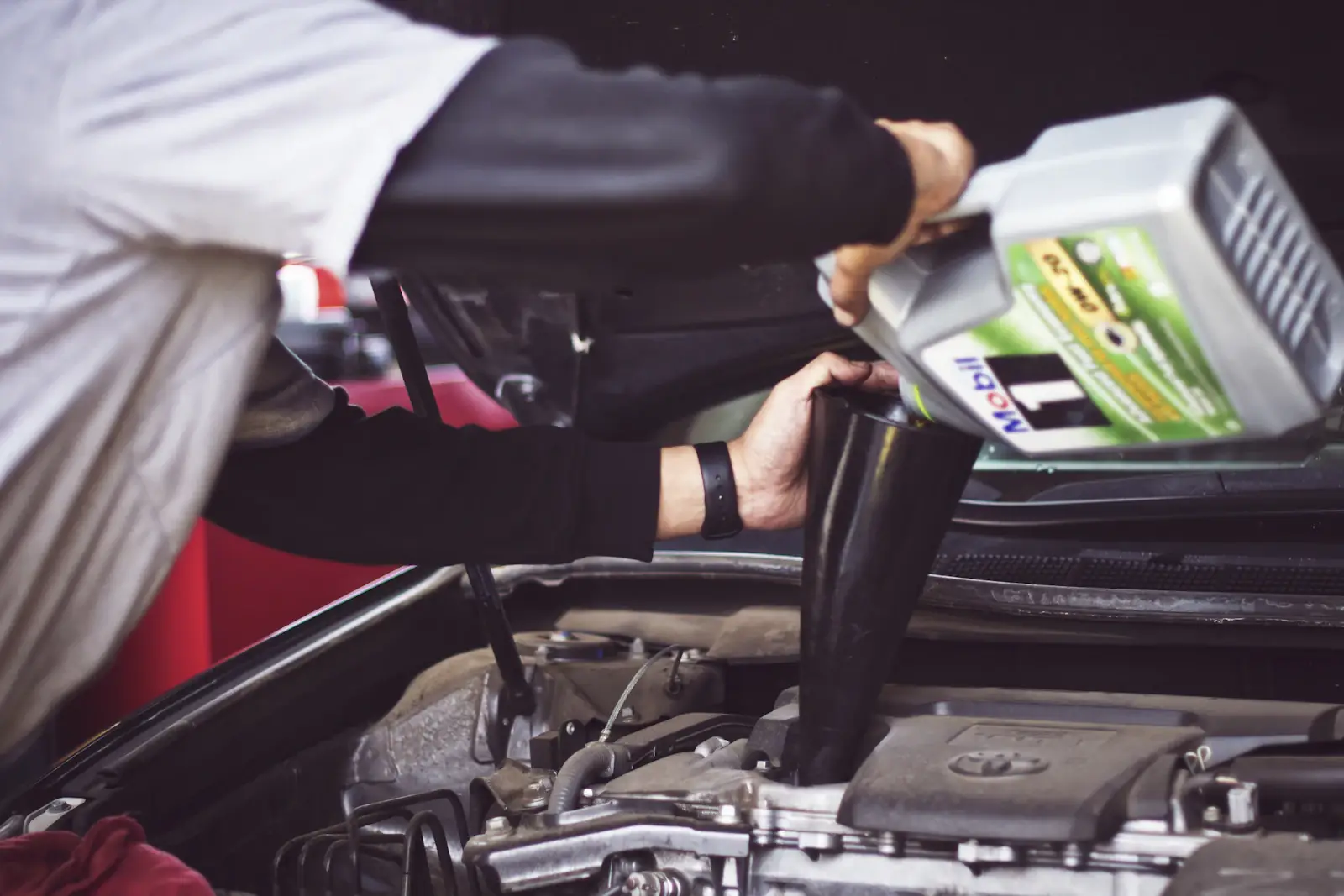
- Engine oil and filter. Oil lubricates and cools the moving parts inside the engine. Over time it breaks down and collects dirt, so it needs changing at the intervals your manufacturer recommends.
- Fluids. Coolant, brake fluid, transmission fluid and (on some vehicles) power steering fluid all do important jobs and should be checked and changed when the schedule calls for it.
- Filters. The engine air filter and cabin air filter keep dirt out of the engine and out of the air you breathe inside the vehicle.
- Tires and brakes. Checking tread, pressure, pads and rotors keeps your grip and stopping power where they should be.
- Belts, hoses and battery. Cracked belts, soft hoses and weak batteries are much easier to replace on your schedule than at the side of the road.
Follow your owner's manual
Every vehicle is different, so the best guide is the maintenance schedule in your owner's manual. Many manufacturers also list a "severe" schedule for vehicles that are used for lots of short trips, stop-and-go traffic, towing, dusty roads or very hot or cold weather. If that sounds like your driving, ask which schedule fits your vehicle.
Simple checks between visits
- Check tire pressures about once a month, when the tires are cold. Use the pressures on the sticker inside the driver's door, not the maximum printed on the tire.
- Walk around the vehicle and make sure all the lights work.
- Pay attention to new noises, smells or vibrations.
- Never ignore a warning light on the dashboard.
Keep a record
Keeping receipts or a simple log of what was done and when makes it easy to see what is due next. It can also be useful when you sell the vehicle.
This article is general information. Every vehicle is different, so check your owner's manual and have a qualified technician inspect any problem you notice.